

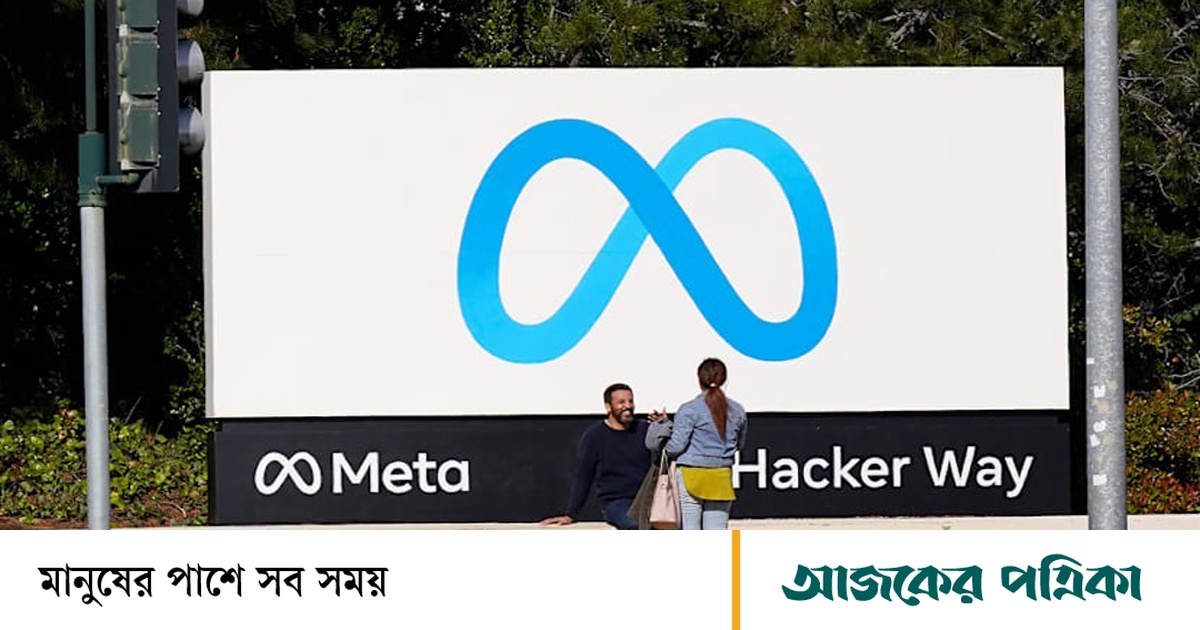
India has become the second major target of online fraudsters worldwide. According to a Meta report, India is the second highest target of fraud circles after the US. Mark Zuckerberg’s company highlighted the issue in the recently published ‘Semi-Annual Adversarial Threat Report’.
According to the report, cybercriminals are targeting ordinary online users in a highly professional and organized manner. They are using new technologies like artificial intelligence (AI) to increase the scope, speed and acceptability of their work.
According to the report, fraudsters are creating fake accounts that look believable. Using fake profile pictures and videos to mislead other users. They are also using ‘hyper-personalised’ and ‘culturally sensitive’ language and mannerisms to deceive.
According to Metar’s observations, criminal gangs are most likely targeting English-speaking users living in the United States. Next is the position of India. Next on the list are Mandarin-speaking users from China, Taiwan, Hong Kong and Singapore. It is followed by Japan and South Korea.
The report also noted that financial fraud is now one of the most persistent and ever-changing threats in the online world. The rapid spread of AI technology has increased the ingenuity and scope of these activities. Some criminal gangs now operate much like business establishments with specialized departments, training and strict security measures. This makes it increasingly difficult for law enforcement agencies to monitor or identify them.
These circles include opportunistic individuals as well as highly skilled ‘Criminal Scam Syndicates’ (CSS), the Met report says. They are constantly changing their tactics and methods to prove themselves legitimate and evade detection systems.
That’s how frauds happen
1. Advance payment fraud
2. Investment fraud
3. Gambling scams
4. Deceit to ensnare love
5. Fraud related to user support or services
6. Celebrity identity fraud
7. Government identity fraud
Criminal rings involved in love and investment scams in Southeast Asia post pictures or videos of attractive lifestyles to make themselves credible. Then when the user trusts them, fraudsters take them to messaging apps or off-platform media, setting up a long-term fraud trap.
Meta said they recently identified and busted an internal fraud ring based in Pakistan. The gang mainly used external websites and Facebook pages and profiles to promote their activities. This incident proves that fraudsters are now taking the help of AI to maintain the quality and consistency of content in different languages and stealing other people’s images or identities to make themselves credible locally.
Apart from this, drug trafficking groups and cartels are also posing a major risk. They are trying to use online services for recruitment, coordination, extortion, trafficking and propaganda, which increases the risk of violence in society.
Meta said in 2025, they removed 19 million Facebook and Instagram accounts, 6 million Facebook pages and 112,000 ad accounts for fraud, deception and policy violations regarding dangerous organizations and individuals.

