

addis ababa3 minutes ago
- copy link
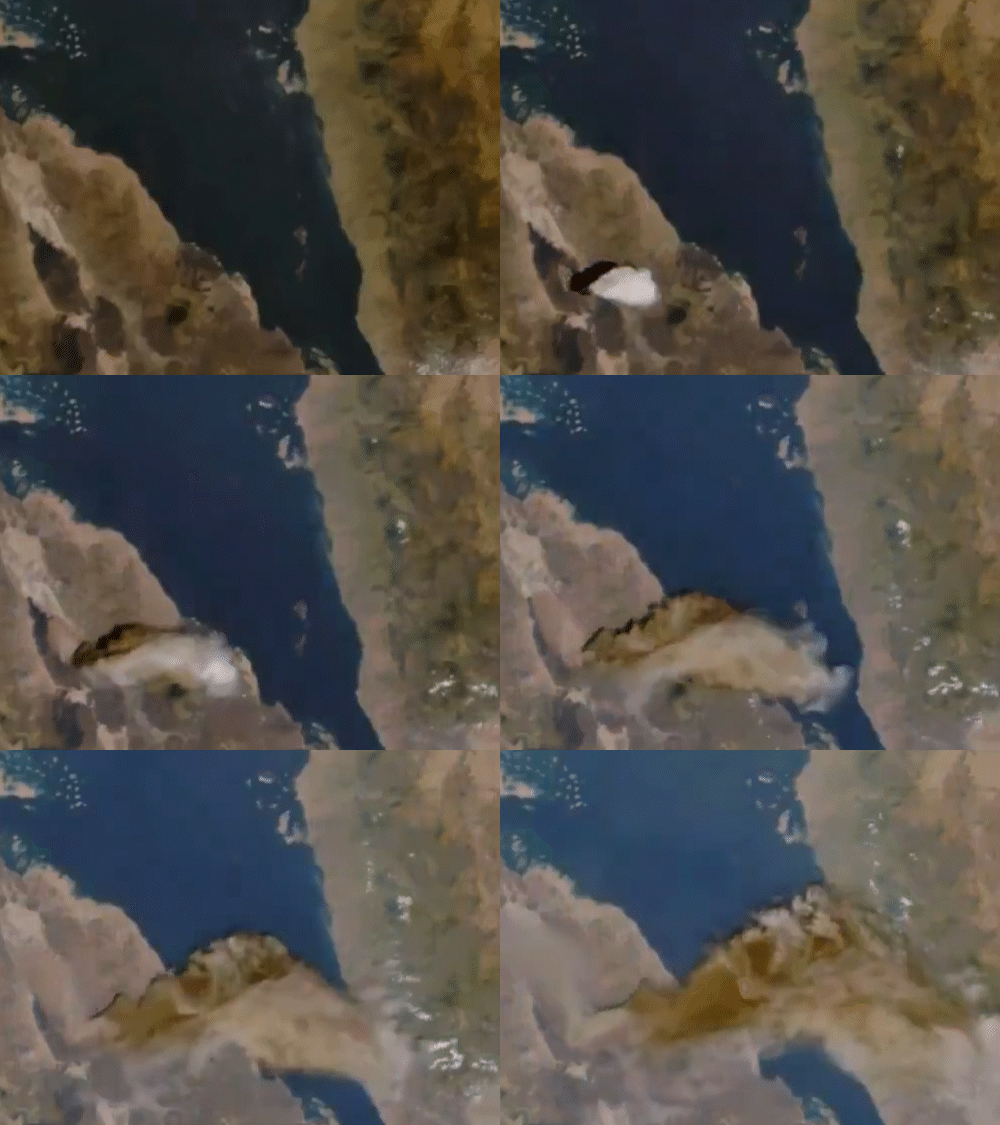
Satellite photo released by NASA of Haile Gubbi volcano of Ethiopia. After the explosion, the cloud of ash is flying with the wind and spreading towards the Red Sea.
A volcano in Ethiopia suddenly erupted on Sunday after 12 thousand years. The ash and sulfur dioxide rising from this explosion reached a height of about 15 km. It crossed the Red Sea and spread to Yemen and Oman.
This ash covered the sky of Delhi at around 11 pm on Monday night. India Met Sky Weather Alert said that this cloud of ash has entered India from Jodhpur-Jaisalmer and is now moving towards north-east.
This cloud has spread over Rajasthan, Haryana and Delhi. A part of it may also touch Gujarat. There is a possibility of its impact being visible on Punjab, hilly areas of Western UP and Himachal at night. In view of this, many airlines have canceled their flights.
However, experts believe that the height of this cloud is so high that its impact on the lives of common people will be very less. However, there is a possibility of light ash fall. The sky may look a bit strange and colorful at sunrise on Tuesday morning.
6 pictures related to Heli Gubbi volcano eruption…
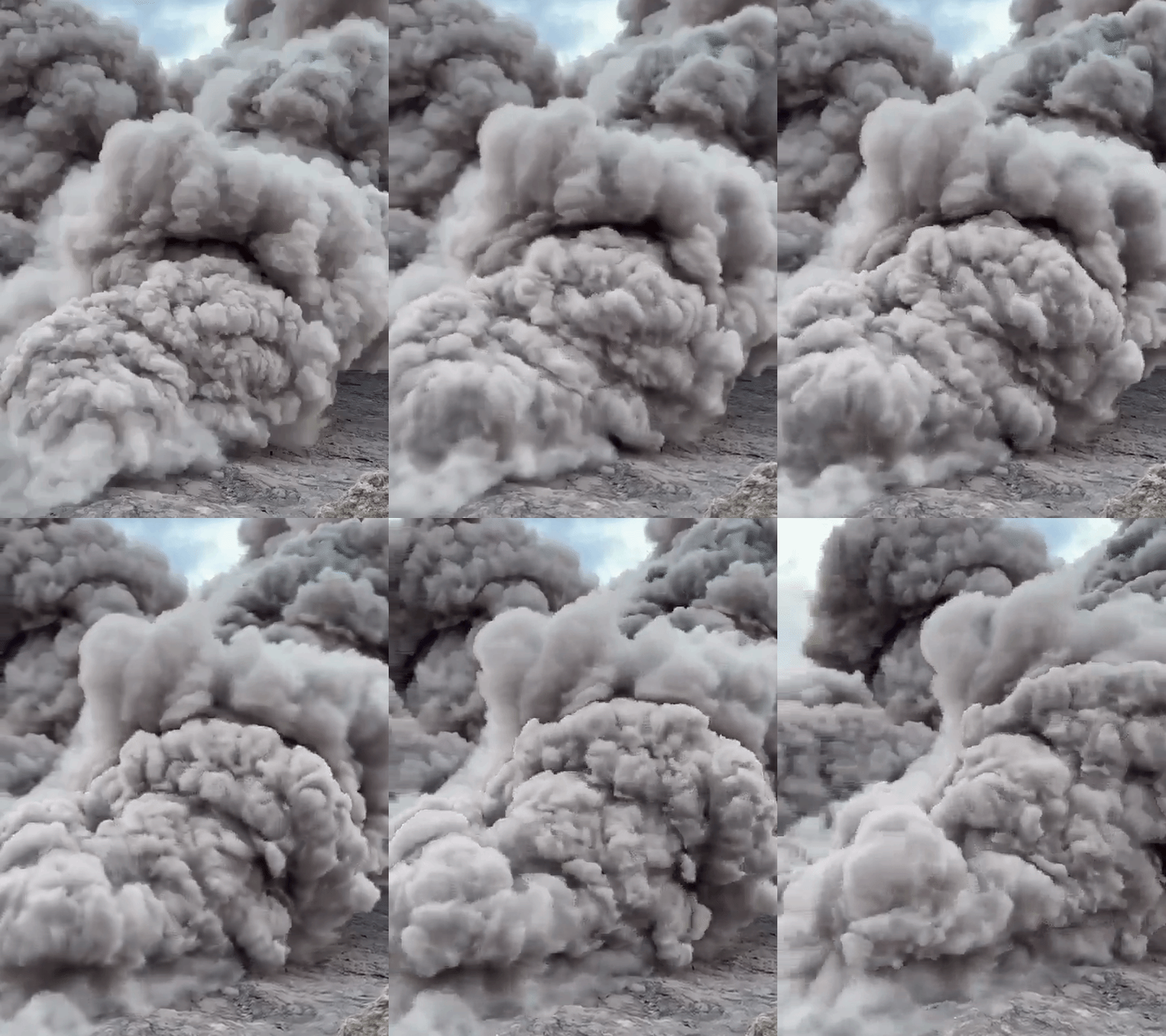
The ash released from the volcano spread several kilometers into the sky. (Photo-Social Media)
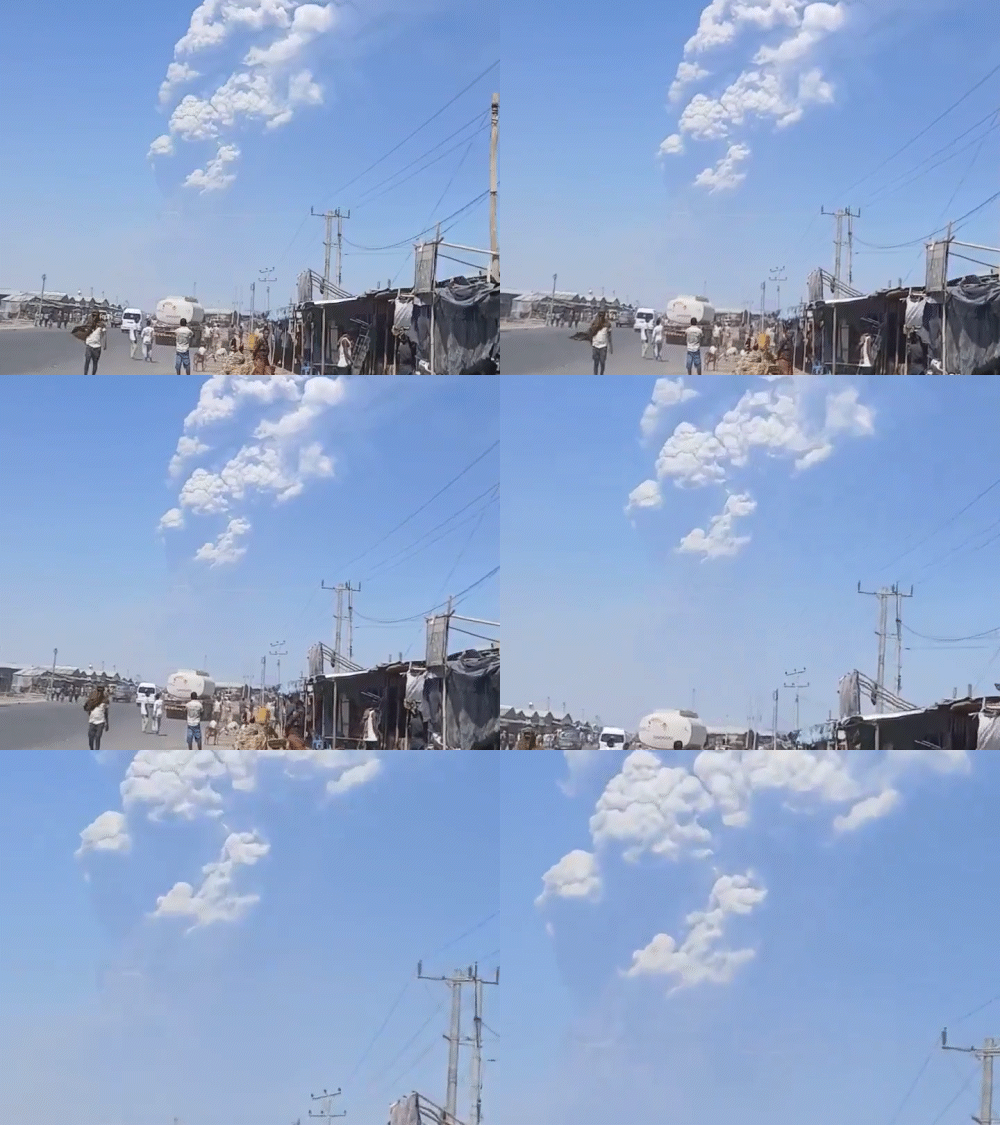
A cloud of ash spread in the sky. Experts believe that its impact on people will be very less.
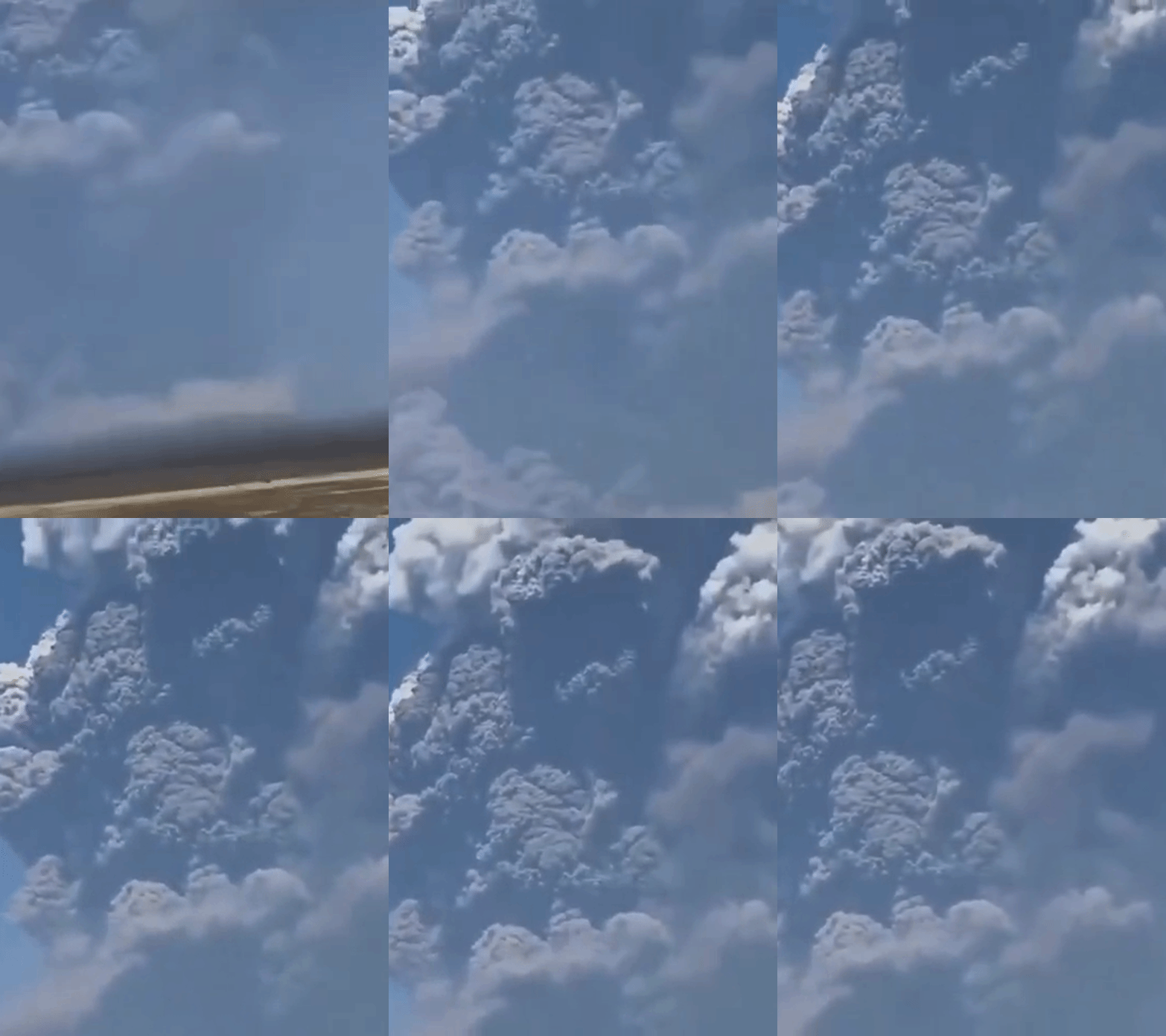
The ash cloud is so big that many international flights have had to be cancelled.
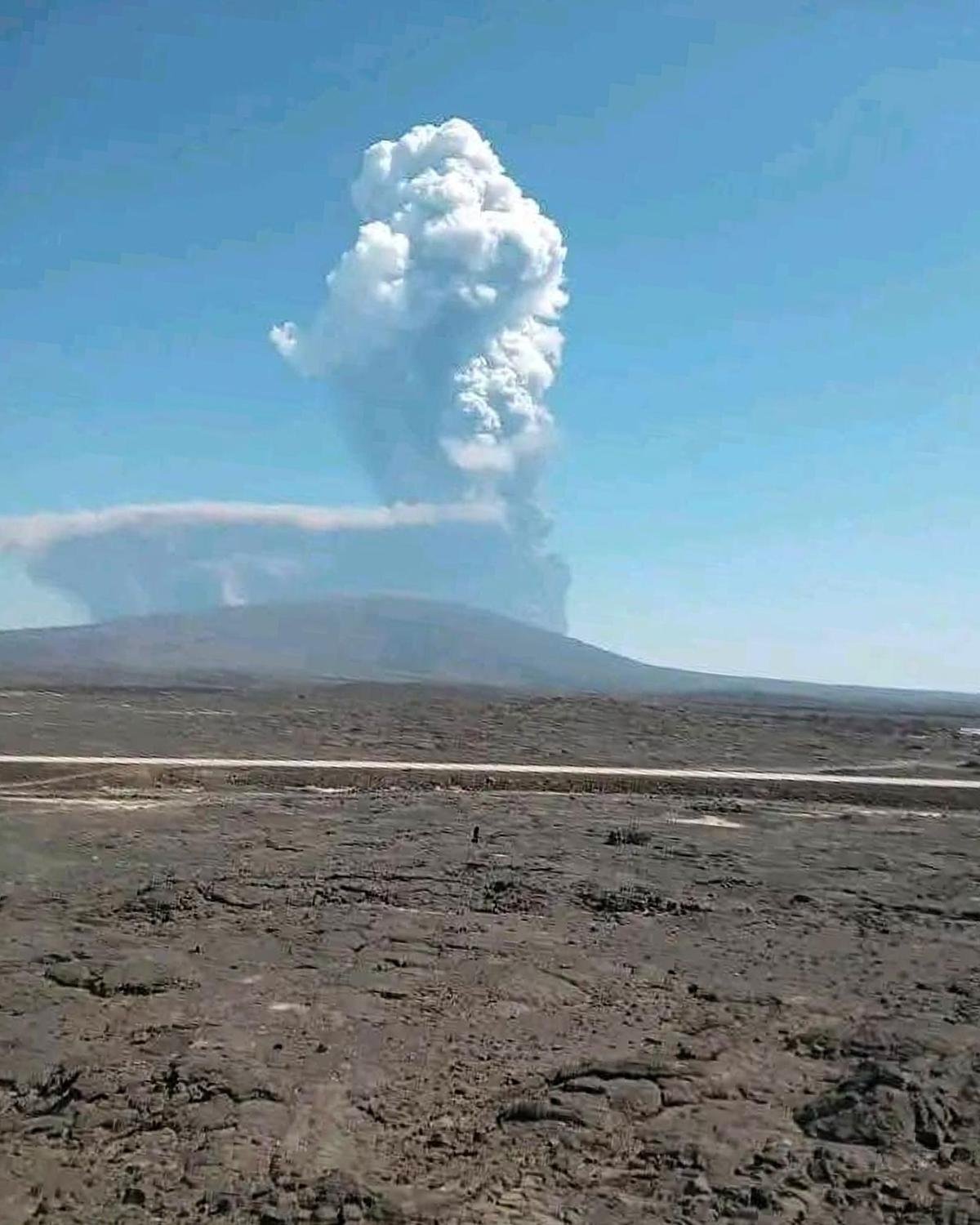
VAAC satellite assessments showed that ash clouds have crossed the Red Sea to the east and reached Yemen and Oman. (Photo-Social Media)
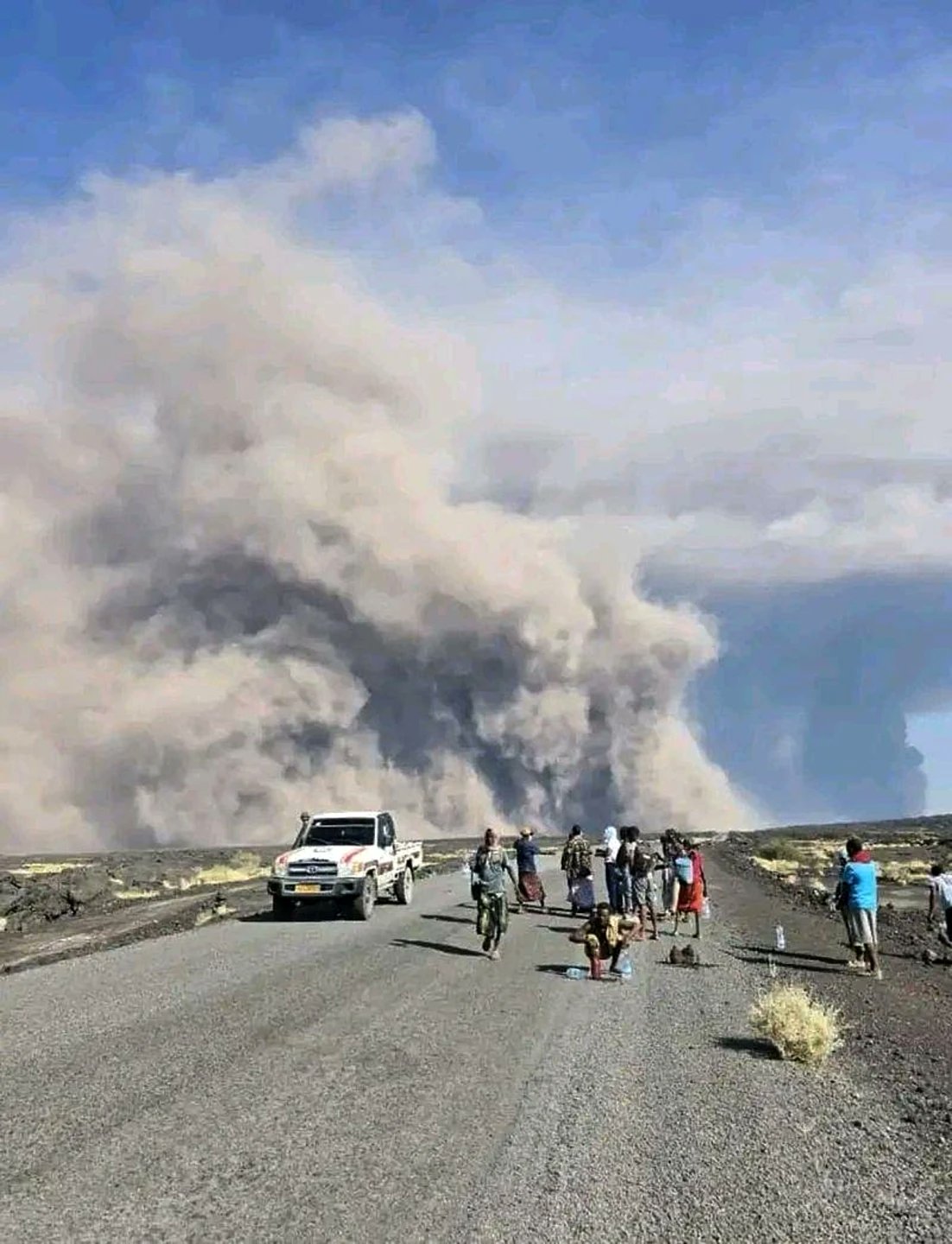
At present the volcano has calmed down, but experts say that sometimes after the initial eruption in the Shield Volcano, there may be repeated explosions. (Photo-Social Media)
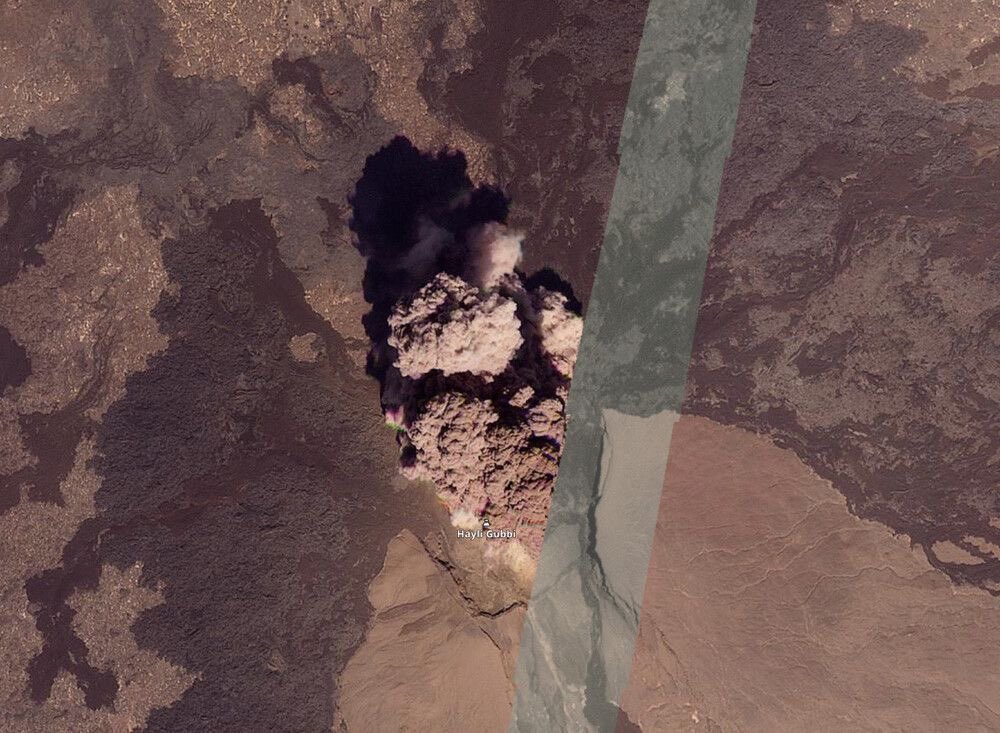
Scientists have to rely on satellite images and remote sensing technology to find out what is happening there. (Photo-Social Media)
No one has died in the incident yet
The explosion occurred at the Haile Gubbi volcano in the Afar region. It was such an old and quiet volcano that there was no record of it till date. No one died in this incident, but the governments of Yemen and Oman have asked people to exercise caution, especially those who have respiratory problems.
Airplanes are also facing problems due to the ash spread in the sky. Due to ash, flights are being monitored in areas like Delhi-Jaipur. Ash particles can damage the engine, hence caution is being taken under International Aviation Protocol.
DGCA issued guidelines
India’s DGCA (Directorate General of Civil Aviation) has issued detailed guidelines for airlines. However, the ash present over India is at a very high altitude, so there is currently no major threat to takeoff and landing.
DGCA has said that if there is even the slightest suspicion that an aircraft has come in contact with ash, such as disturbance in engine performance, smoke or smell in the cabin, then the airline will have to inform it immediately. If the ash affects airport operations, the airport concerned will have to immediately inspect runways, taxiways and aprons.
DGCA has warned all airlines and airports to exercise caution. Akasa Air, IndiGo and KLM have canceled several flights due to volcanic ash.
DGCA has said that-
- Airlines do not fly over ash areas.
- Change flight routes and planning.
- If any aircraft finds ash, report immediately.

The picture is taken from flight tracker. Many flights diverted or were canceled to avoid the red and orange danger zones.
Routes of some flights may change
Mumbai Airport asked passengers to check their flight information before arriving at the airport, as the routes of some international flights may change.
- Akasa Air said that flights to Jeddah, Kuwait and Abu Dhabi on November 24 and 25 have been cancelled.
- IndiGo said that they are constantly monitoring the situation and the safety of passengers is of utmost importance.
- Air India said that there is not much impact on their flights at present, but they are cautious.
- KLM has also canceled flights from Amsterdam to Delhi.
Fear of further eruptions in the volcano
Scientists have described the volcanic eruption after thousands of years as one of the most extraordinary events in the history of this region.
According to Gulf News, a large amount of sulfur dioxide (SO₂) was also released along with the explosion, which has increased concerns about the impact on the environment and health.
Ibrahim Al Jarwan, chairman of the Emirates Astronomical Society, said that if a volcano is suddenly releasing more SO₂, it indicates that pressure inside is increasing, the magma is moving and further eruptions may occur.
Al Jarwan said – This incident is a rare opportunity for scientists, in which they can closely understand a volcano which has awakened after a very long time.
Know the scientific importance of volcanic eruption
Heli Gubbi is part of the Afar Rift. This is an area where the earth’s tectonic plates are continuously shifting. Other volcanoes in the region, such as Erta Ale, are already continuously monitored. In such a situation, the sudden activation of Heli Gubbi raises questions about what deep changes are taking place in the magma inside the Earth.
The incident also highlights the importance of international satellite systems and cross-border ash warnings. Volcanic ash can travel thousands of kilometers away, so agencies of many countries are tracking it together.
Researchers are now eyeing Heli Gubbi as a major site for future study. They will try to understand why this volcano became active now after remaining silent for thousands of years. Such studies may provide new clues about the behavior of shield volcanoes located in tectonic rift areas.
When scientists study such rare eruptions, it will help them understand the behavior of volcanoes that exist in areas with tectonic rifts (where the Earth’s plates are moving apart).

