

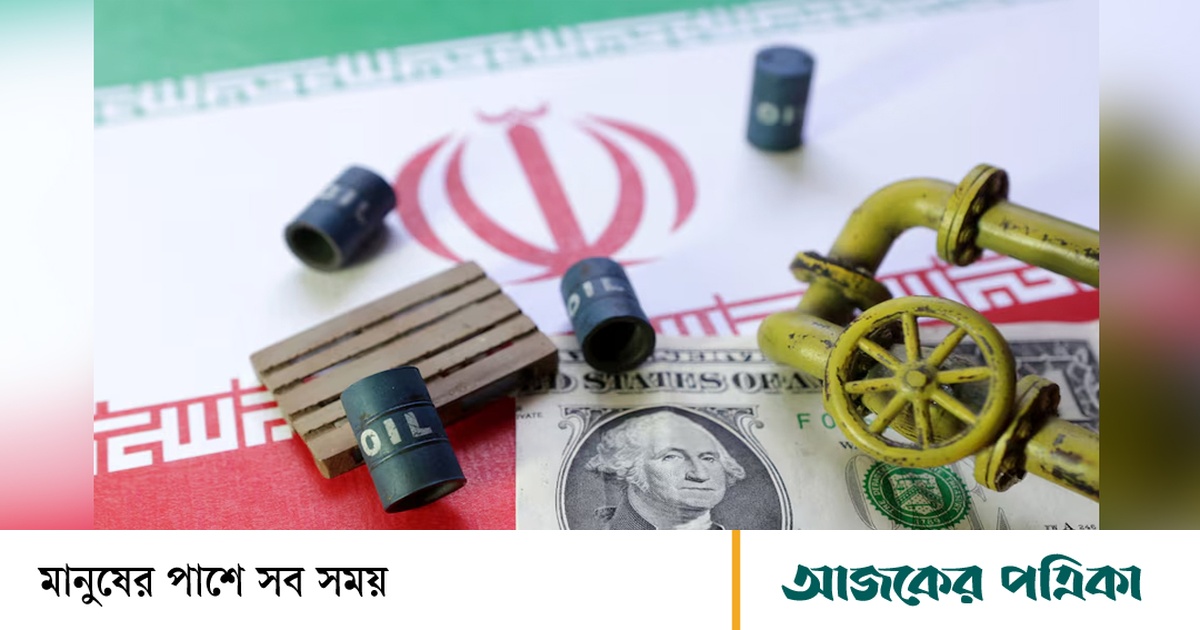
After the US and Israeli airstrikes across Iran, the world economy is facing extreme uncertainty. This new conflict in the Middle East is affecting not only regional stability, but every index of global markets. From the price of oil to the gold market and the currencies of different countries, there is a lot of volatility.
Below is a detailed picture of the possible effects of this war on world markets:
Big jump in fuel oil prices
The main barometer of any Middle East excitement is fuel oil. Iran is one of the world’s leading oil producers and is located next to the ‘Strait of Hormuz’, through which 20 percent of the world’s oil is supplied.
William Jackson, emerging markets economist at Capital Economics, warned that crude oil prices could reach $100 per barrel if the conflict persists. As a result, inflation around the world increased by 0.6-0. There is a risk of 7 percent increase. Meanwhile, the news of the suspension of shipping in the Strait of Hormuz has caused intense volatility in the market.
investment
As investors turn away from riskier assets in the doldrums of war, demand for ‘safe havens’ such as gold and the Swiss franc is increasing. Gold prices have already increased by a record 22 percent in 2026. At the same time, the demand for US Treasury bonds is also increasing. But in the midst of this conflict, Bitcoin has lost ground; Its price fell 2 percent on Saturday and has lost a quarter of its value in the past two months.
Currency market volatility
According to analysts, the US dollar could strengthen against other currencies if the war drags on. Because America is now itself a net energy exporter, they benefit when oil prices rise. On the other hand, the value of Israel’s currency ‘Shekel’ may face a major decline due to Iran’s counterattack. However, the shekel has recovered quickly after such falls in the past. But according to JP Morgan, this time the situation could be different if the conflict lasts longer.
Middle East stock market
When the stock markets in Saudi Arabia and Qatar open tomorrow, Sunday, the true reflection of investor sentiment will be seen. According to Ryan Lemond, chief executive of Neovision Wealth Management, Gulf stock markets could fall 3 to 5 percent, depending on the level of conflict. Already, Saudi Arabia’s main index has been in decline for the past two weeks.
Airlines around the world have started canceling their flights due to the closure of air routes to the Middle East. As a result, the share prices of airline companies will come under great pressure. In contrast, the war climate is likely to boost the share prices of defense equipment manufacturing companies around the world.

