

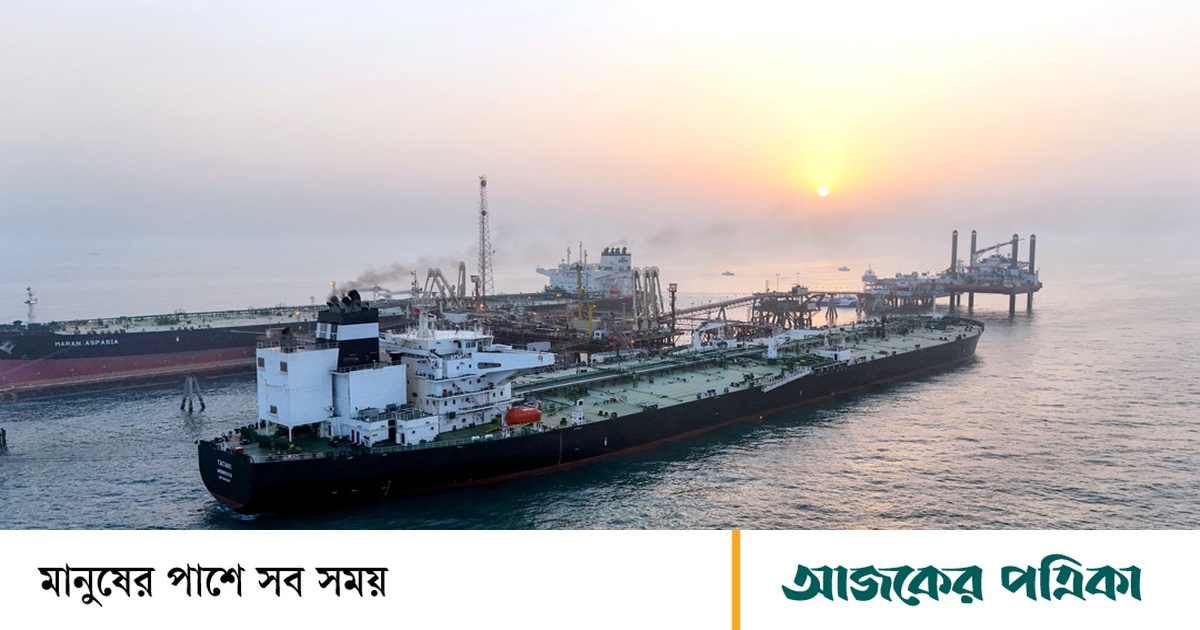
The global energy crisis caused by the war in Iran is equivalent to the combined effects of the two oil crises of the 1970s and Russia’s invasion of Ukraine. In some cases it is more. Fatih Birol, head of the International Energy Agency (IEA), gave such a warning. This information is known from the report of the British media The Guardian.
Fatih Birol, executive director of the IEA, said the impact of the crisis could be even worse. This is because it is disrupting supply to sectors such as petrochemicals, fertilizers, sulfur and helium, which are considered the ‘lifeblood of the global economy’.
Speaking at the Canberra National Press Club in Australia on Monday, Birol said that the world leaders could not fully understand the deep crisis in the energy market caused by the bombing of Iran by the United States and Israel and the closure of the Strait of Hormuz.
This situation prompted the IEA to intervene last week. They called for measures such as increasing the number of people working from home, temporarily reducing speed limits on highways and reducing air travel as measures to reduce demand. Birol warned that at least 40 oil installations in the Gulf region were severely or severely damaged. As a result, even after the end of the war, supplies will not return to normal quickly.
He said that in the two crises of 1973 and 1979, the supply of oil was reduced by about 5 million barrels per day. And as a result of Russia’s invasion of Ukraine, about 75 billion cubic meters of natural gas was lost from the international market. But the current crisis—which began with the February 28 US-Israeli bombing of Iran—has already led to shortages of 1.1 million barrels of oil per day and nearly 140 billion cubic meters of gas.
“The crisis at the moment is two oil crises and a gas crisis — all rolled into one,” Birol told reporters ahead of a meeting with Australian Prime Minister Anthony Albanese.
Earlier, on March 11, the IEA released 400 million barrels of oil from strategic reserves in the largest emergency move in its history. At the beginning of 2026, the global oil market was in surplus. But attacks on ships in the Strait of Hormuz, through which about 20 percent of the world’s oil is transported, have caused shortages and global concern.
Donald Trump last Saturday gave Iran an ultimatum to reopen the channel within 48 hours. Otherwise, Iran’s energy infrastructure will be destroyed, he warned. The deadline is set to expire late Monday night. Birol said the Asia-Pacific region was the most affected by the closure of the channel. “The most important solution to this problem is to open the Strait of Hormuz,” he said.
In response to Trump’s threats, Iran’s military said it would target US and its allies’ energy and desalination infrastructure in the region. Trump criticized NATO member states as well as Australia, Japan and South Korea for not helping the system. Japan said on Sunday it may consider sending military forces to remove mines if a ceasefire is reached.
Birol said he is discussing the possibility of releasing more emergency oil reserves with leaders in Asia, Europe and North America. Only 20 percent of the total stock was released in the first phase. “We can put more oil into the market if needed, both crude oil and products,” he said. This will stabilize the market somewhat, but it is not the final solution. It will only reduce the pressure on the economy.
He did not specify the conditions under which new oil will be released. In his words, ‘we will monitor the situation, analyze the market and discuss with the member countries.’
If countries take a defensive position to protect their energy reserves, whether it is a concern for the world economy, he said, it has become a problem in some Asian countries. Supply changes in diesel and jet fuel are seen in Europe, although increased production in Canada and Mexico will help somewhat. Birol warned, ‘If this crisis continues like this, no country will be free from its effects. A global concerted effort is therefore essential.’

