

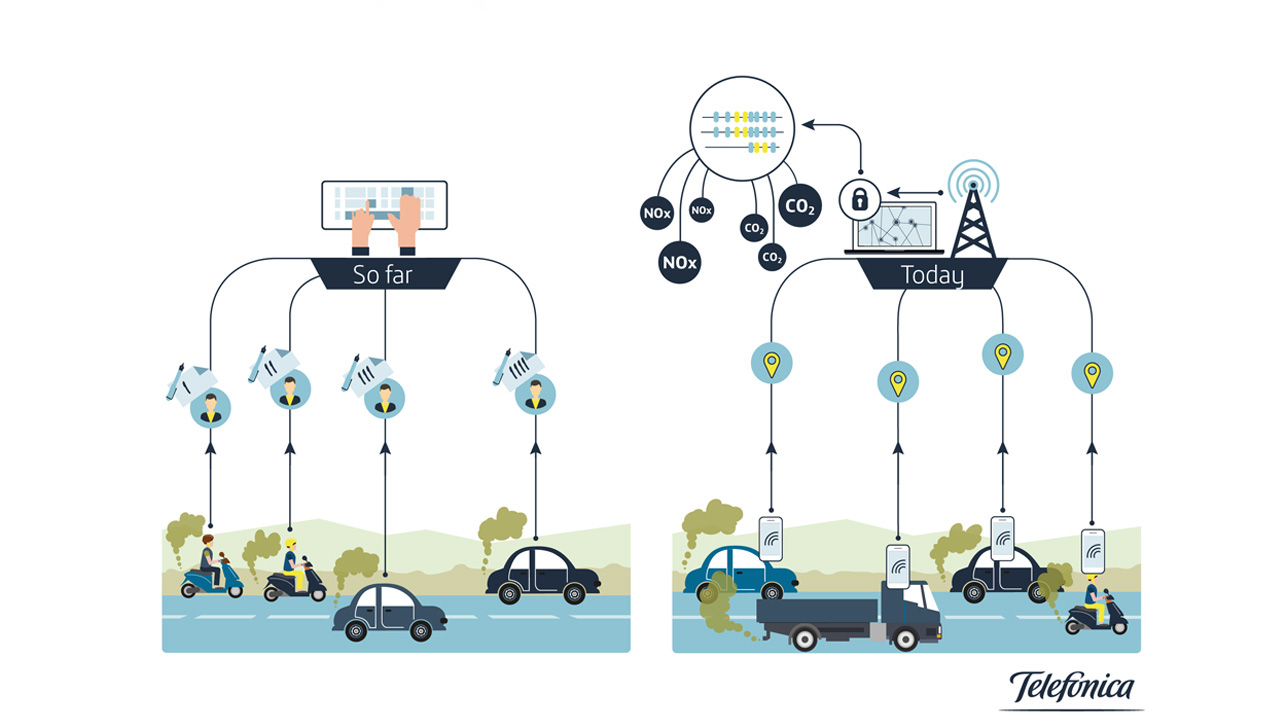
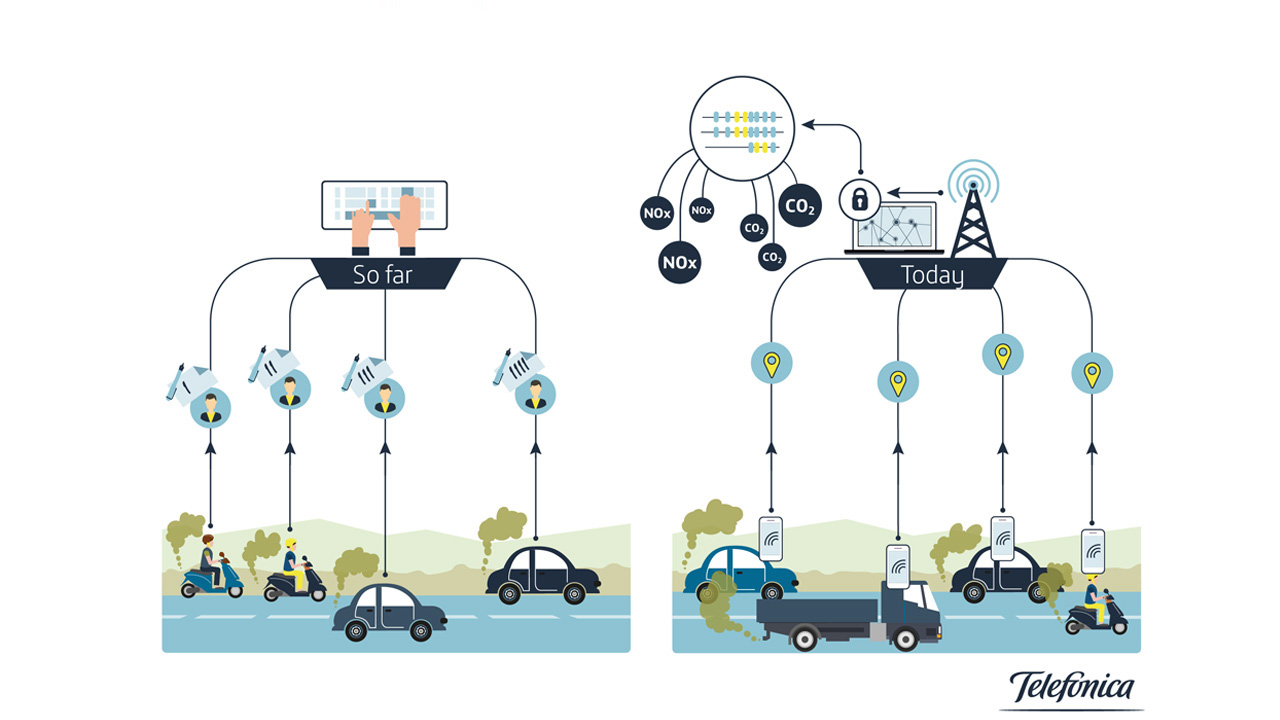
The data analysis expert Teralytics transformed the data into mobility flows using their unique algorithms, thus identifying over 1.2 million routes. The sustainability solution expert South Pole Group then used a dispersion model to model the pollution levels, doing so by taking into consideration information on pollutants from individual traffic carriers from the Federal Ministry for the Environment and meteorological data.
“Approximately 70 percent of global greenhouse gas emissions are generated in cities, meaning that they play a key role in climate protection. We see great potential in the use of daily generated data, such as mobile network data, to reduce pollution levels in cities. Data-based analyses and innovative measures can contribute to even more efficient support for cities in future for the implementation of their ambitious climate and clean air objectives”, states Renat HeubergerCEO of South Pole Group.
Maximilian GrothBusiness Developer at Teralytics, adds: “Algorithms often appear very abstract. This joint pilot project shows how, with the help of data and algorithms, real social issues and challenges can be tackled”.

