

By Tanveerul Islam
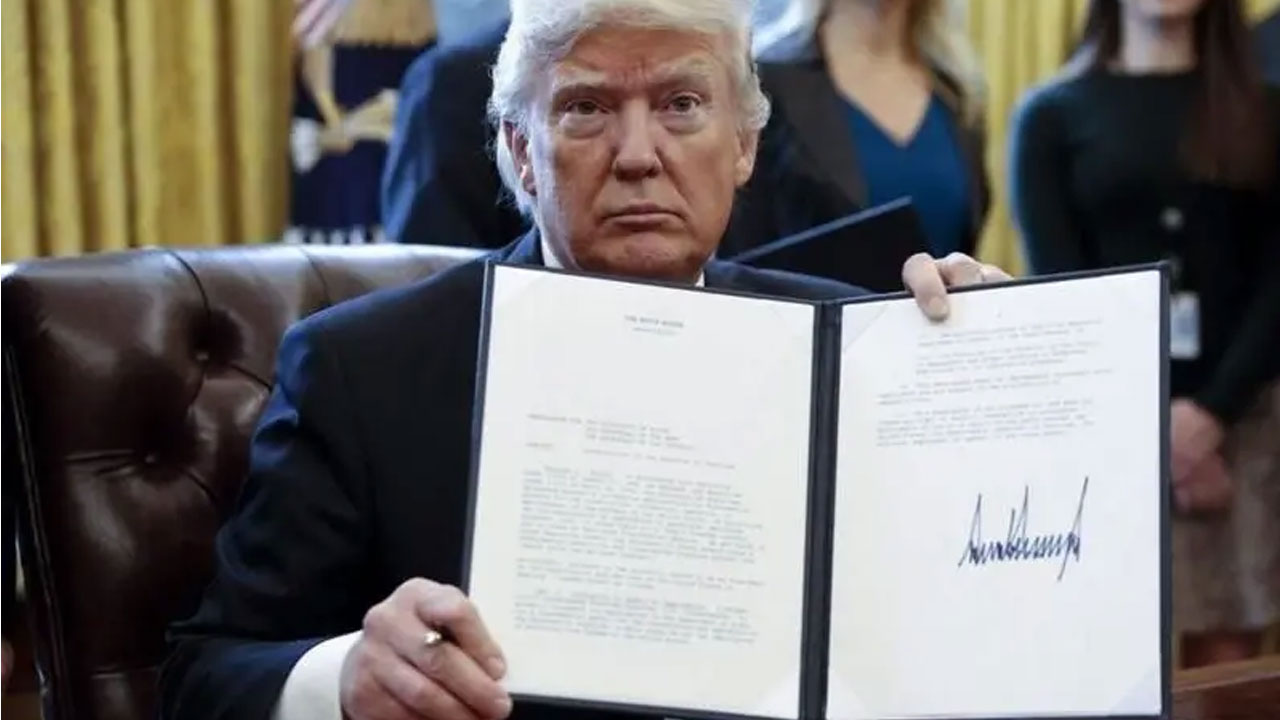
The ‘America First’ policy, championed by U.S. President Donald Trump, has led to the suspension of nearly all foreign aid programs. Although this suspension is currently set for three months, it is expected to affect over a hundred ongoing development projects in Bangladesh.
The suspension will have far-reaching consequences across various sectors in Bangladesh, including food security, health, governance, education, and environmental conservation. Project workers are also facing uncertainty. However, the funding for food and nutrition programs for the Rohingya refugees is expected to remain intact, as confirmed by Bangladesh’s Chief Adviser’s Press Wing.
The United States has long been a major contributor to global development assistance, with much of its aid funneled through the U.S. Agency for International Development (USAID). Since 2017, the U.S. has provided over $2.5 billion in humanitarian assistance to address the Rohingya crisis. In addition, over the past 50 years, the U.S. has contributed more than $8 billion in various sectors, including public health, education, energy, food security, and disaster management. In recent years, the U.S. provided Bangladesh with $500 million in 2021, $470 million in 2022, $490 million in 2023, and an anticipated $450 million in 2024.
The suspension of funds will not only affect USAID-funded projects but will also impact organizations like UNICEF, Save the Children, UNDP, and health service providers like ICDDR,B. For instance, the ICDDR,B’s tuberculosis control programs, funded through a project called Alliance for Combating TB in Bangladesh (ACTB), will face significant setbacks. The closure of these programs has already led to the halting of the free GeneXpert service, with over 1,000 staff members laid off.
A Save the Children officer, speaking anonymously, expressed concerns over the growing panic among staff involved in multiple affected projects. “We are all anxious about this,” the officer said. “We’ve been instructed to refrain from spreading panic, but we hope this will not cause long-term harm.”
ICDDR,B officials also highlighted that while funding has not been completely canceled, it has been temporarily suspended. “We remain hopeful that projects will resume after a review period,” one official commented, emphasizing that the suspension will particularly impact gender, governance, and environmental activities.
Negative Impact on Health and Vaccination Programs
USAID has funded several private sector clinics, such as the Surjer Hashi Clinics, which provide essential services like EPI vaccinations, family planning supplies, and maternal and child care. Since its establishment in 1997, Surjer Hashi has built a reputation for delivering quality health services across Bangladesh. The suspension of funding now threatens the continuity of these vital services, potentially disrupting vaccination campaigns and other health initiatives.
Additionally, social marketing organizations, like the Social Marketing Company (SMC), could experience severe setbacks, with implications for their outreach programs and product distribution.
Impact on Bangladesh’s Pharmaceutical Sector
The pharmaceutical industry, which has benefited from USAID’s support in regulation and law enforcement to ensure drug safety, will also be negatively impacted. The suspension could weaken the regulations that prevent counterfeit drug use, affecting public health and potentially exposing millions of people to unsafe medications. The industry, which is a major export sector, is also likely to suffer from the halt in funding.
Experts fear that the suspension could exacerbate Bangladesh’s malnutrition issues and harm maternal and child health, putting vulnerable populations at greater risk.
Dr. Syed Abdul Hamid, a professor at Dhaka University’s Institute of Health Economics, remarked, “USAID supports funding in sectors like pharmaceuticals, One Health projects, and antimicrobial resistance. Their support spans at least 10 sectors, not just health, but also agriculture, water, and education. If this funding is permanently suspended, it will have a significant impact.”
Suspension Threatens Key Development Projects
Several key projects funded by USAID, such as the ‘Feed the Future’ program and those initiated by Palladium and ABT Associates, have already been affected. These projects, which aim to improve food security and agricultural practices in Bangladesh, are now at risk of being shut down, with no clear guidance on whether they will resume after the suspension period.
A senior official from ‘Feed the Future’ shared, “After January 25, everything has become uncertain. We were told to stop all operations, and even our salaries for this month are in jeopardy.” The official expressed frustration at the lack of clarity and warned that the projects’ closure could lead to layoffs.
Concern Over Long-Term Implications for Bangladesh
Dr. Shamiem Haider Talukdar, CEO of Eminence Associates for Social Development, expressed concern that the suspension would disproportionately affect Bangladesh’s health sector, particularly technical programs. “While the government’s core health programs may not be greatly impacted, programs like antimicrobial resistance and One Health may face delays. USAID has been a key partner in addressing these challenges, and without its support, we may struggle to continue these initiatives.”
He added, “This situation underscores a need for Bangladesh to strengthen its capacity, diversify its partnerships, and move towards self-sufficiency. If the U.S. decides to permanently halt aid, we will have to seek alternative sources of support.”
Economic Impact and Uncertainty Ahead
The suspension of USAID funding is not just a blow to the development sector but also has economic implications. As Dr. Hamid noted, “Thousands of jobs tied to USAID-funded projects are now at risk. This also has an indirect impact on Bangladesh’s foreign exchange, especially with organizations like UNICEF and Save the Children relying on USAID funds.”
He further warned that the suspension could disrupt essential family planning programs, nutrition initiatives, and public health services, leading to a broader crisis. The loss of support for global health agencies, like the World Health Organization, is also expected to create gaps in the country’s response to emerging health challenges.
Looking Forward: Finding Alternatives
Experts suggest that Bangladesh must prepare for a future without substantial USAID support by exploring alternative partnerships with other countries and multilateral organizations. Dr. Hamid emphasized, “This is a wake-up call for Bangladesh to enhance its self-reliance and build more robust relationships with other global partners to ensure sustainable development.”
In this time of uncertainty, the international community’s response will be critical, and voices like Dr. Muhammad Yunus, with his global recognition and credibility, may play a role in advocating for a reconsideration of this policy. However, the road ahead appears challenging, and it remains to be seen whether the suspension will be temporary or permanent.

