

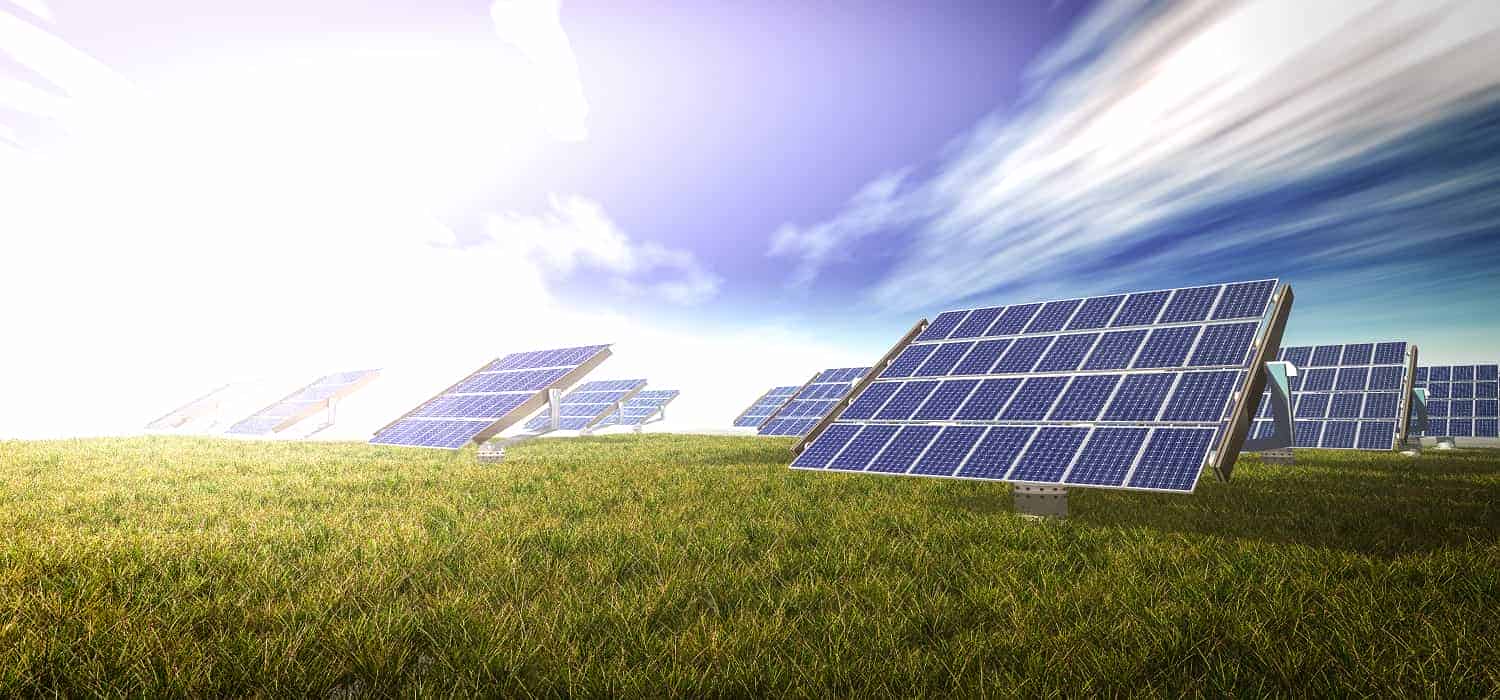
Arab Finance: Misr Aluminum Company has signed an agreement with the Norwegian Skatak Energy purchase and the establishment of a 1.1 -GB solar power plant to feed the company's complex in Nag Hammadi, south of Egypt, with clean energy, according to a statement issued by the Council of Ministers.
He added that the project, which costs 650 million dollars, will enhance the ability of the aluminum factory in Nag Hammadi to meet its energy needs and enhance its environmental sustainability, as well as fulfill the international specifications of the rules of limiting carbon emissions.
In itself, the Norwegian company explained in Statement Separate that the energy purchase agreement lasts 25 years, adding that it is aimed at the financial closure of the project, supported by a sovereign guarantee, and the start of construction within 12 months.
Egypt, the largest Arab country in terms of population, seeks to reach the rate of renewable energy in the energy mix in it to 42% by 2030, compared to about 20% currently, as it aims to reduce pressure on the use of natural gas in light of its recent decrease in it.
Over the course of two years since the Climate Summit “COB-27” in Sharm El-Sheikh, Egypt has signed about 27 memoranda of understanding with several investors, to launch projects to produce electricity with a total capacity of about 115 GW, including 63 GW via wind energy, and 52 GW through solar energy.
Last November, Egypt and the Norwegian Skatak Company agreed to pay 50% of the value of the purchase of electricity in its hybrid solar energy project with a capacity of 1000 megawatts, which is the first of its kind in the country, in the Egyptian pound and the remaining percentage in dollars, according to government officials who spoke with the East at the time, provided that their names are not revealed.
One of the people who spoke with the East said that “the government agreed to pay 50% in the pound for a period of 3 years from the date of the project operation, to change to 25% in the Egyptian pound and 75% in dollars after the end of the third year to 25 years is the total period of the energy purchase agreement for the project and the shelf life of the power plant.”
Last May, the Egyptian government said that it plans to exit from renewable energy projects, and not implement new projects, while making way for the private sector to implement the state’s plans to expand the production of electric energy from its renewable sources, according to a government official that spoke with the East at the time, provided that his name is not mentioned.
The Egyptian government gives responsibility for managing renewable energy projects to the new and renewable energy body, which possesses stations with capabilities of up to 1600 megawatts, the largest part of them through wind energy and the rest for solar energy for about 2000 MW capabilities owned by the private sector in Egypt, unlike the capabilities of water energy.
The government official pointed out that the new and renewable energy body will not put any new plans to launch new projects themselves or their owned by them, but will be satisfied with the huge projects that the memoranda of understanding were signed with international entities with capabilities that exceed 50 thousand megawatts during the previous period of the permit.
Related news

