

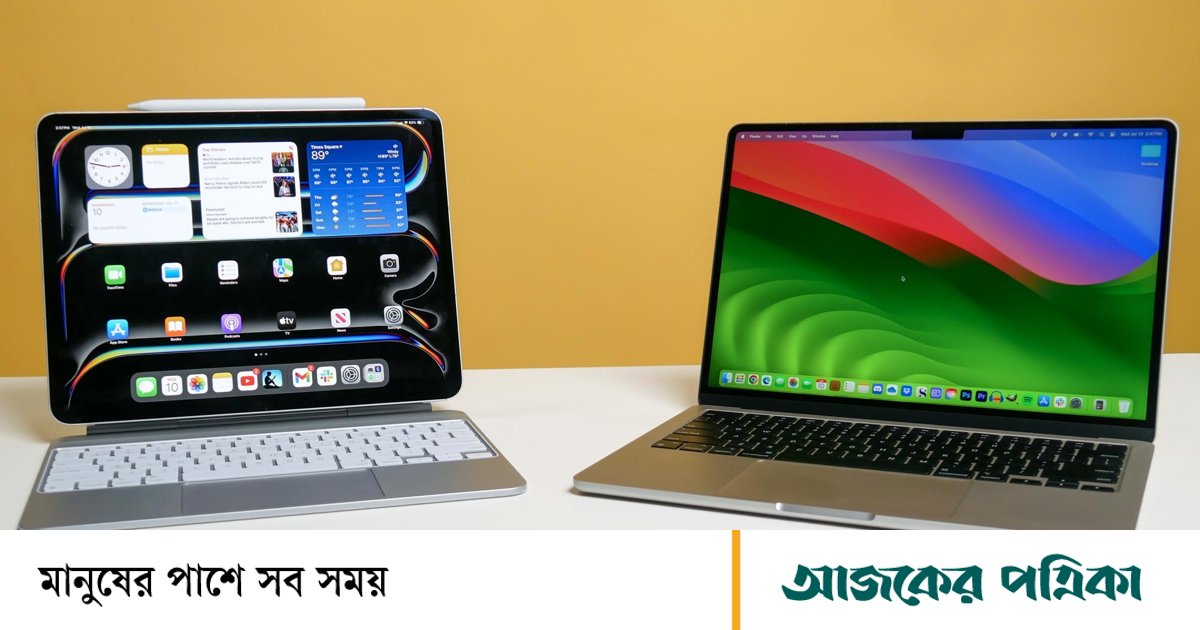
Tech giant Apple has hiked the prices of iPads and MacBooks due to the rapid expansion of datacenter construction in the artificial intelligence (AI) industry and the consequent increase in the cost of memory and storage chips. Yesterday, Thursday, the company said, so far they have been reducing the pressure on customers by bearing the additional costs themselves, but in the current situation, it is no longer possible.
But the price hike is not affecting Apple’s biggest revenue generator, the iPhone, Reuters reported. As a result of the new announcement, the starting price of Apple’s low-cost laptop ‘Neo’ has increased from $599 to $699. Unveiled a few months ago, this model was brought in with the aim of increasing market share of affordable Windows and Chromebook laptops.
Apple’s move shows that despite having one of the strongest supply chains in the tech industry, it can’t stay out of the global memory crisis and rising costs. According to analysts, this situation may also weaken the growth of the smartphone and personal computer market.
In recent months, memory makers have leaned more toward big buyers in the AI sector. Supply in the consumer electronics sector has been reduced as firms such as Micron prioritize orders from AI chipmakers such as Nvidia. As a result, various technology manufacturers have to increase prices.
Apple said in a statement, ‘We’ve never seen the price of a component rise so quickly and on such a large scale. So far we have protected customers from the impact of these price hikes. But now we have reached a point where we have to start increasing the prices of various products including iPads and Macs.’
According to the new price list published on the company’s website, the price of the MacBook Air with 512 GB of storage has increased from $ 1,099 to $ 1,299. The price of the MacBook Pro with 1 terabyte of storage has increased from $ 1,699 to $ 1,999.
Similarly, the price of iPad Air with 128GB storage has been increased from $599 to $749. Apple has also increased the prices of two versions of its HomePod smart speaker and Apple TV set-top box.
Apple shares fell nearly 5 percent after the announcement of the price hike. Shares of rival Dell also fell more than 8 percent.
According to analysts, other device makers may face a more difficult situation. Because of its long-standing relationships with suppliers, Apple has suffered relatively little damage. “The memory market is tough and will remain structurally tough going forward,” said Ben Bajrin, chief executive of technology consultancy Creative Strategies.
Apple previously said in April that it was able to maintain a better gross margin than Wall Street expected due to inventory on hand. However, from the end of June, the pressure of increased memory costs can no longer be avoided and profitability may decrease slightly. In a late April conference call with analysts, Apple Chief Executive Tim Cook said, ‘We expect significantly higher memory spending.’ He added, ‘I’m not going to elaborate on the period after the June quarter, but we think memory spending will have a bigger impact on our business after June.’
Apple has not said anything about what other steps have been taken to deal with costs, other than raising prices. “This is not good news for customers, we are working to find a solution,” the company said.
According to analysts, the price of iPhone may increase in the next few months. This allows potential buyers to make purchase decisions before the new prices come into effect. Nabila Popal, senior research director of market research institute IDC, said, ‘iPhone is not free from this pressure, its price is also increasing. It is a strategic decision by Apple to announce the price increase before unveiling the new iPhone.
According to data from industry analyst firm TrendForce, the price of dynamic random access memory (DRAM) used in modern technology products increased by a maximum of 98 percent in the first quarter of 2026. It may further increase by 58 to 63 percent in the current quarter. Some experts have termed this situation as ‘Ramageddon’.
Demand to build AI datacenters and long-term supply contracts with companies such as Nvidia have forced memory makers to ramp up production. Micron said it has already received $22 billion in long-term commitments from customers interested in securing memory supplies. A big shock is expected in the technology product market this year due to the effect of this cost increase. According to IDC’s forecast, the smartphone market could shrink by around 14 percent this year, the largest annual decline in history. At the same time, the PC market could decline by 11.3 percent.
But there are some exceptions. The MacBook Neo unveiled in March helped boost Apple’s June quarter sales and some analysts revised their forecasts for the PC market. But with the new pricing, the Neo has now lost its previous $100 price advantage over the $699 XPS 13 that Dell unveiled last month. It also costs more than some Chromebooks from Lenovo and Asus.

