

image source, Reuters
-
- Author, Tabby Wilson
-
Published
-
Reading time: 4 minutes
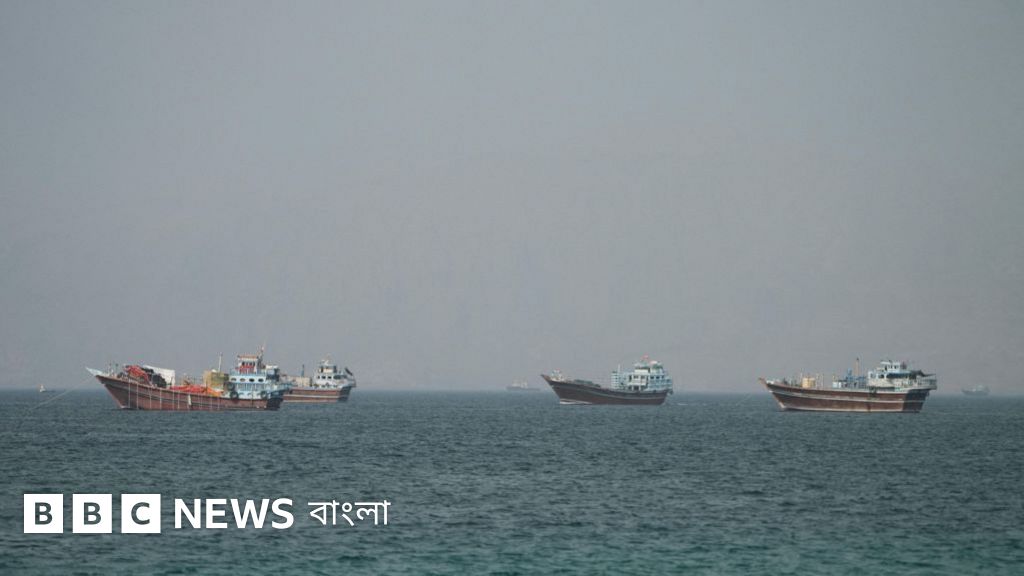
The US has launched a new attack on Iran. After the drone attack on the Panamanian flag ship in the Strait of Hormuz on Saturday, the US launched this attack again.
The US Central Command (CENTCOM) said it had carried out strikes on various targets in various locations in Iran in response to ‘sustained aggression’ against commercial shipping.
In response, Iran’s Islamic Revolutionary Guard Corps (IRGC) said in a statement published on state media that it had launched missile and drone strikes targeting US facilities in Kuwait and Bahrain.
The IRGC also warned that violating the ceasefire was against the agreement signed between the two countries and would result in the complete halt of the peace process.
“Iran was given an opportunity to comply with the ceasefire agreement. But its forces squandered that opportunity by using drones to attack the Panama-flagged tanker MT Kiku,” CENTCOM said in a statement.
In response, CENTCOM reported attacks on Iran’s military equipment, communications systems, air defense installations and drone depots.
The IRGC statement claimed that the US attacked five Iranian coastal bases “under the pretext of IRGC naval operations against criminal vessels”.
According to the memorandum of understanding signed earlier this month, Iran is responsible for controlling shipping and waterways in the Strait of Hormuz, they claim. Henceforth stricter action will be taken against vessels violating the rules than before.
“Any potential enemy aggression – under any pretext, even against small targets like last night and tonight – will be met with a very harsh and devastating response,” the statement said.
Earlier on Thursday, US Central Command announced strikes on Iran’s missile and drone depots and coastal radar sites in response to a drone attack on a cargo ship on Thursday.

image source, AFP via Getty Image
Shortly after announcing the latest attack, US President Donald Trump made a post on Truth Social. There, he said, Tehran would probably ‘never learn its lesson’.
“There may come a time when we will no longer be able to exercise restraint. Then we will be forced to complete militarily what we have so successfully begun,” he wrote on Saturday evening.
He also wrote, “If this happens, the Islamic Republic of Iran will not exist!”
Within hours of the latest US attack, Kuwait and Bahrain said their air defenses had been activated.
“Kuwait’s air defense system is currently repelling enemy missile and drone attacks,” the Kuwaiti armed forces said in a statement posted on social media X. At the same time, they urged people to follow safety guidelines.
On the other hand, Bahrain’s Ministry of Interior urged citizens to ‘remain calm and seek refuge in the nearest safe place’.
Meanwhile, CENTCOM said commercial shipping through the Strait of Hormuz continues as normal.
The latest attacks come less than a day after the US retaliated against Iran. The US claims that it carried out the attack in response to a June 25 drone attack on the Singapore-flagged cargo ship MV Ever Lovely.
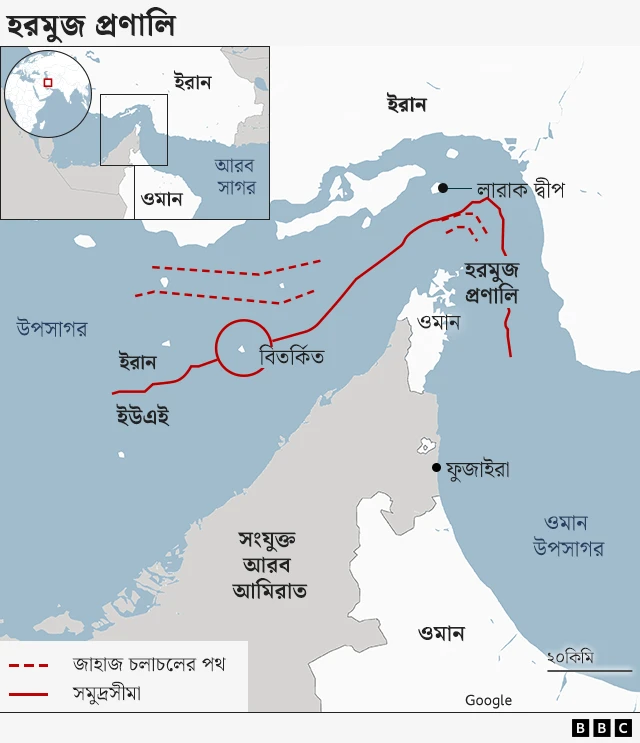
CENTCOM described the US strike as ‘a strong response’. They also said the Iranian forces’ unprovoked aggression against commercial shipping clearly violated the ceasefire agreement.
Tehran, on the other hand, claims that the action was taken against the cargo ship because it used an unauthorized route to cross the Gulf waterway. They also said that the attack carried out by the US in response constituted a de facto violation of the ceasefire agreement.
In a statement released on Saturday morning, Iran’s Foreign Ministry said it had carried out more attacks on various US-affiliated targets. At the same time, they blamed the ‘deal-breaking US government’ for the situation.
On June 17, the United States and Iran agreed to cease hostilities under the 14-point memorandum of understanding. The agreement stated that Iran would make every effort to ensure the safe passage of commercial vessels without any additional charges for 60 days.
The Strait of Hormuz is one of the most important waterways for transporting oil and natural gas worldwide. Tehran effectively closed the waterway after the US and Israel attacked Iran in late February.
The closure of this vital waterway caused a sudden spike in oil prices in the global market and disrupted the supply of other vital commodities like fertiliser.
In recent days, US President Donald Trump and other US officials have claimed that talks with Iran are progressing positively. According to them, Iran has dropped plans to collect tolls from ships passing through the Strait of Hormuz.

image source, Atta Kenare / Getty Images
In a post on Truth Social on Wednesday, Trump wrote that Iran has informed the US that ‘no tolls, no insurance costs and no other additional fees will be charged or collected’.
He added, “If this information is proved to be false, the negotiations will end immediately.”
The US has condemned reports that Iran is collecting fees from oil tankers passing through the Strait of Hormuz. According to many, such a toll system is a violation of international maritime law.
Officials of Iran and Oman discussed the ‘future arrangements for managing sea lanes’ in the Omani capital Muscat on Tuesday. However, Oman’s Foreign Minister Badr Al-Busaidi said both countries are committed to ensuring toll-free and safe shipping.
However, Iran’s chief negotiator Mohammad Bagher Ghalibaf told state-run media, “Everyone should know that the administration and management of the Strait of Hormuz will never return to the pre-war situation.”

