

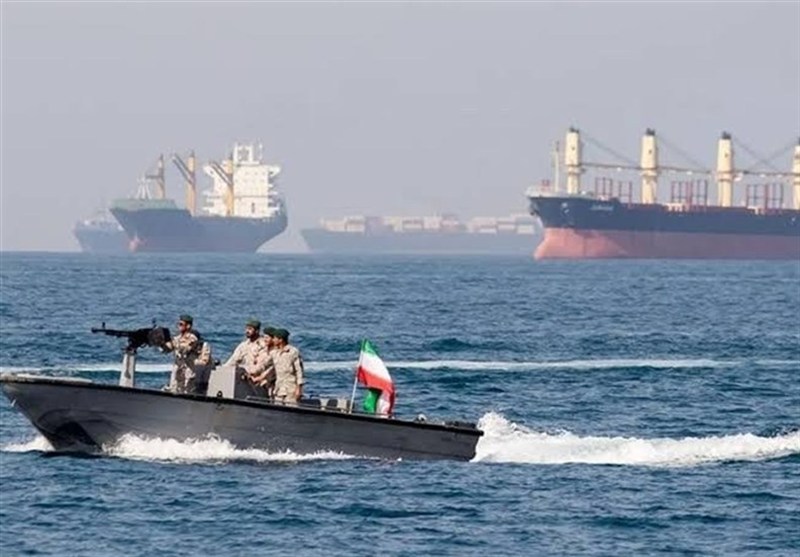
to report Tasnim News AgencyThe Strait of Hormuz, with a width of 33 km and a navigable route of less than 6 km, is the world’s most vital energy bottleneck that connects the Persian Gulf to open waters.
This region plays a decisive role in the international economy due to hosting about half of the world’s proven oil reserves and the daily passage of about 20 million barrels of crude oil and petroleum products.
The Persian Gulf countries, including Saudi Arabia, Iraq, Kuwait, UAE, Qatar and Iran, are directly dependent on this strait to export most of their oil to world markets.
Notably, unlike other oil-producing regions, alternative infrastructure to bypass the Strait of Hormuz is very limited. There are only two main pipelines (the Yanbu pipeline in Saudi Arabia and the Fujairah pipeline in the UAE) with a total capacity of only about 7 million barrels per day; A figure that is very small compared to the total export volume of the region.
The closure or disruption of the Strait of Hormuz is not limited to the energy market and paralyzes the global supply chain in the fields of agriculture, transportation, packaging industries, medicine, clothing, and advanced technologies such as chips, artificial intelligence, and medical equipment.
Therefore, America’s actions against Iran’s sovereignty in this strait, which directly leads to insecurity and the closure of the Strait of Hormuz, challenges the global economy.
end of message/

