

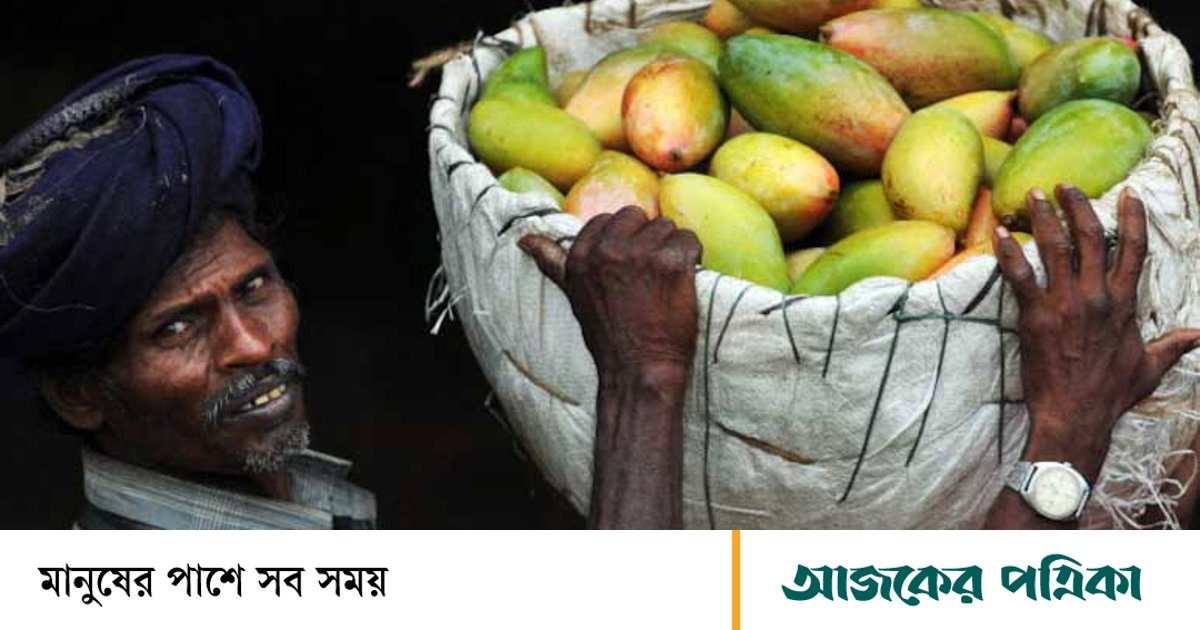
At the beginning of this year, Japan has taken strict action to correct the errors in disease control management in the fruit processing centers located in India. The country has issued a temporary ban on the import of Indian mangoes. The oversight was discovered at the Indian refinery during an inspection by Japanese quarantine officials.
As a result of this sudden decision by Japan, the export process is seriously disrupted during the final period of the current summer mango season. As a result, growers and traders of premium or advanced mango varieties like Alphonso, Kesar, Langra and Bhanganapally in India have faced huge losses.
This is the first time that Japan has imposed such a ban on Indian mangoes in the last 20 years. Earlier, Tokyo banned Indian mangoes due to fear of fruit fly infestation. The ban was later lifted in 2006 after India stepped up its refining process.
Recently, however, Japanese authorities have once again expressed concern over whether Indian mango shipments are meeting their strict phytosanitary standards. It should be noted that the Japanese administration follows a strict ‘zero tolerance’ policy for the intrusion of harmful insects and flies to protect local agriculture.
Every year before the start of the mango export season, Japanese quarantine officials visit the ‘Vapor Heat Treatment’ (VHT) centers in India. The main responsibility of these centers is to make the mangoes 100% germ- and insect-free before export.
Vapor heat treatment is a completely chemical-free mechanical process that uses controlled hot and humid air to kill fruit flies and their larvae on mangoes. The process is mandatory as per the export agreement between the two countries.
In March this year, Japanese officials visited the VHT center located in Rahmanpur, Uttar Pradesh, India. According to the related sources, they found several technical errors in the process of disinfection and disease prevention with smoke or steam of the treatment plant.
However, neither the Indian nor the Japanese government has officially disclosed exactly what kind of technical error was detected there. However, after this inspection, Japan’s Yokohama Plant Protection Association announced that no shipment of Indian mangoes with health certificates issued from March 26 will be accepted.
Although Japan is not India’s biggest mango export market in terms of volume, the suspension is a big blow to India’s mango trade. Premium quality Indian mangoes are sold at very high prices in the Japanese market, ensuring huge profits for the exporters. India is at the top of the world producing about 2.8 million tons of mangoes annually. While most of the mangoes produced are used in the domestic market, farmers and traders benefit from exports to high value markets such as Japan, Europe or America.
Exporters fear that the ban could jeopardize the credibility of India’s agricultural quality control system in the international market. There is a danger of its negative impact on other importing countries as well.
During this suspension, the plight of mango farmers has multiplied, especially in the famous Alphonso producing region of Maharashtra.
Mango farmers in India have already suffered massive crop losses due to severe heat waves and erratic weather due to the El Niño climate cycle this year. According to some government-sponsored surveys, alphonso yields have declined by 85 to 90 percent in several areas this year.
Japan’s ban, which comes amid a crisis of crop failure, threatens to cut farmers’ incomes to near zero during the most profitable season.

