

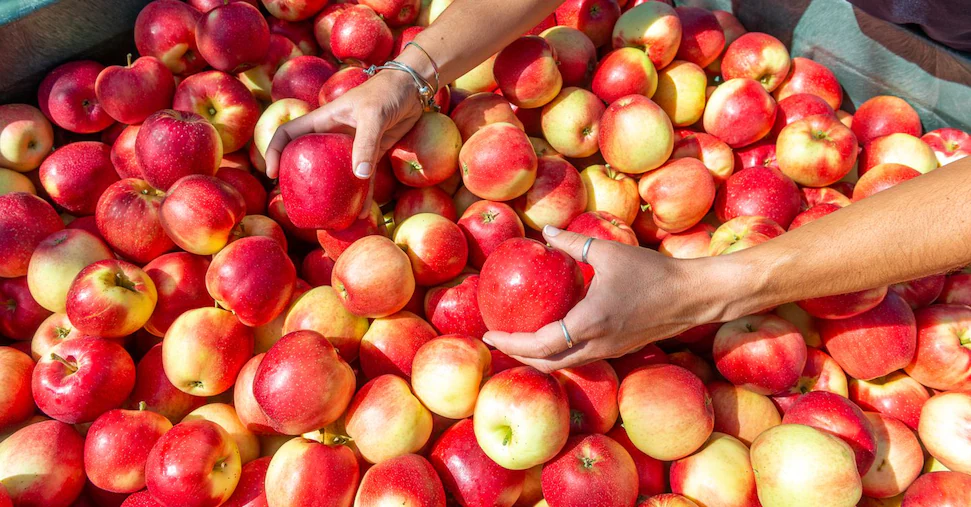
An overall positive picture for revenues and production, within a particularly complex and uncertain macroeconomic context which requires caution and prudence. These are the numbers from the 2025/2026 budget forecast of the Melinda Consortium, presented to the members.
What weighs heavily – we read in the accompanying note – are above all the ongoing geopolitical tensions, a still persistent inflation and the consequent weakening of consumers’ purchasing power: factors that continue to influence spending behavior and the trend of food consumption throughout Europe.
The context
At community level, the apple sector is in a different phase compared to the initial forecasts made by Prognosfruit. The most recent estimates indicate European production in the order of 11 million tonnes, with an increase of approximately +5% compared to the estimates at the beginning of the campaign. Even in Italy the season is characterized by production levels among the highest in recent years. Going against the trend is Golden, the reference variety for the market, which recorded one of the lowest stocks in recent years in January.
In this context, Melinda forecasts annual turnover growth of between 10 and 15% for 2026, driven by the increase in production and a good overall quality level. The latest harvest was favored by more favorable climatic conditions compared to the previous year, with an increase in overall production of approximately +10% and an improvement in average yields per hectare. Club apples are also growing, continuing to strengthen their weight within the Melinda variety basket, both in terms of volumes and value. Despite the effects of the hailstorms, which remained limited to a marginal share of the product, the apples present good and homogeneous quality levels, an element that concerns all the varieties supplied.
Rising costs
Alongside the positive signals on the revenue front, the Budget confirms the growing pressure on production costs, linked to the continuation of the inflationary trend. This is the increase in energy costs, services, transport, personnel and production inputs which continues to affect the entire supply chain, from cooperatives to individual agricultural companies. Added to this is the impact of this same trend on the purchasing power of consumers, which translates into more prudent spending behaviour.

