

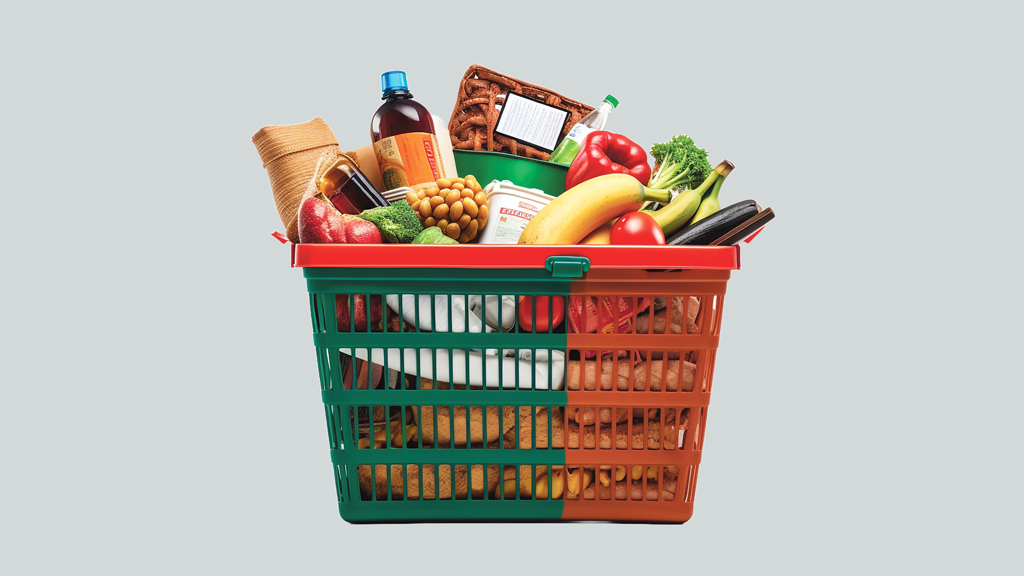
The National Board of Revenue (NBR) has announced VAT exemption in several products, which is considered an important step to keep the market stable. The list includes some essential products including biscuits, salt, mustard oil, flour, flour, LP gas produced in the country. The exemption has been given in some products and at the business level in some products. The decision was implemented on Sunday by the publication of the Gazette signed by NBR Chairman Abdur Rahman Khan. The NBR confirmed the information on Monday.
According to the NBR's decision, Rapsid Oil, Coja Cid Oil, Canola Oil's production phase and Sunflower Seed Oil (refined) produced in the country, Rapsid Oil, Coja Ced Oil, Canola Oil, Mustard Oil and Rice Oil (Rice Bran Oil). Among these facilities will be the exemption of Rapsid Oil, Colja Cid Oil and Canola Oil till June 1, 2021. However, no deadline has been set for mustard oil.
An official of the NBR VAT department said that the VAT has been exempted in these oils to encourage the use of soybean oil alternatives in the country. However, the NBR notification mentions certain conditions, such as VAT registration, invoice issue, registrar preservation and monthly VAT return.
The NBR announcement further mentions that dry shimmering vegetables produced in the country, khosa or bifurcated pulses, powder of powdered pepper produced in the country, coriander, ginger, turmeric and spices; Flour, flour and semolina produced in the country; VAT has been exempted at the business level of herbicides used in biscuits produced in the country, salt produced in the country and farming. Besides, VAT has been exempted at the business level in LP gas, subject to condition. However, those who import and sell them directly to consumers will not get this benefit.
The NBR has said that the purpose of redefining VAT and customs is to strengthen the country's financial foundation and increase internal revenue. Last January, the NBR imposed new VAT on hundreds of products, but later decided to reduce tariffs on several products in the face of widespread criticism. For example, on January 5, the rate of biscuits and cakes was increased from 5 percent to 5 percent, which was later amended on February 25 and reduced to 5 percent in the case of biscuits.
NBR Public Relations Officer Al-Amin Sheikh said the government has made these changes to protect the public interest. These steps have been taken to keep the market stable at the request of various professional organizations, civil society and partners and during Ramadan. This initiative is expected to control prices of goods and protect the interests of the general public.
Economist and Rapid Chairman Dr. Mohammad Abdur Razzak commented that the NBR's move was timely. He said that since these oils and food products are dependent on imports; So the benefits of VAT exemption will not be immediately available. It is also a matter of how much these oils will be used as an alternative to soybean oil. In the context of high inflation, the question of how many people will really benefit will be.
Meanwhile, the NBR cancer drugs have reduced the source of the source from 1 to 2 percent through separate notification. This is expected to reduce the cost of cancer treatment. On January 5, the Ministry of Health recommended the NBR to reduce the price of cancer drugs as well as increase the price of multivitamin and multimeneral drugs.
The National Board of Revenue also said that in recent months the government has given VAT and tariff discounts on various essential products. These include import duty on edible oils, sugar, potatoes, eggs, onions, rice, dates and pesticides, regulatory duty, VAT, advance income tax and advance tax. In addition, VAT has been exempted at the local supply and import level for the students. Metrorail services have also been exempted to reduce traffic congestion. In addition, excise duty on Hajj tickets has been completely withdrawn to reduce the cost of pilgrims.
The NBR initiatives are expected to play an important role in keeping the market stable as a whole and increasing the purchasing power of the general public. However, its effectiveness in the long run will depend on the pace of implementation and its response to the market.

