

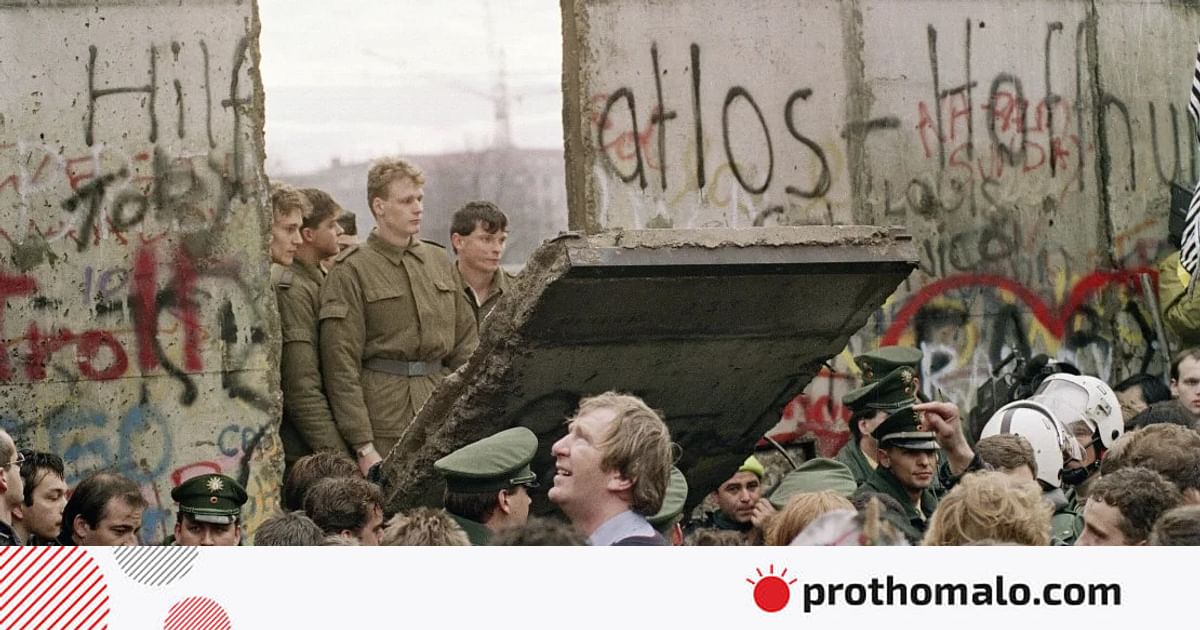
The West German government at the time was shocked by the rapid developments in East Germany, and the people of East Germany became desperate for an early reunification of the two Germanys. Finally, after a series of negotiations between the Allies and the leaders of East and West Germany, the two Germanys were united on October 3, 1990. At that time, German Chancellor Helmut Kohl said, 'The German nation has nothing to be proud of. But we are proud of the fall of the Berlin Wall and the unification of the German nation.'
The joy and excitement of the merger is gone. In the eyes of many of them, they are victims of the society and politics created by the West Germans and many of them consider themselves marginalized citizens. Despite the reunification of East and West 34 years ago, there are some differences between the two regions.
The former West Germany had a kind of socio-economic market structure since 1949. Despite not being a socialist country, basic human needs such as housing, health, education, electricity, energy were guaranteed, and still are.
And the former East Germany or Eastern region was a socialist and communist state. In the last 33 years, the economy of the eastern region—laws, administration, roads, industries, education—everything has undergone radical changes.

