

image source, AFP via Getty Images
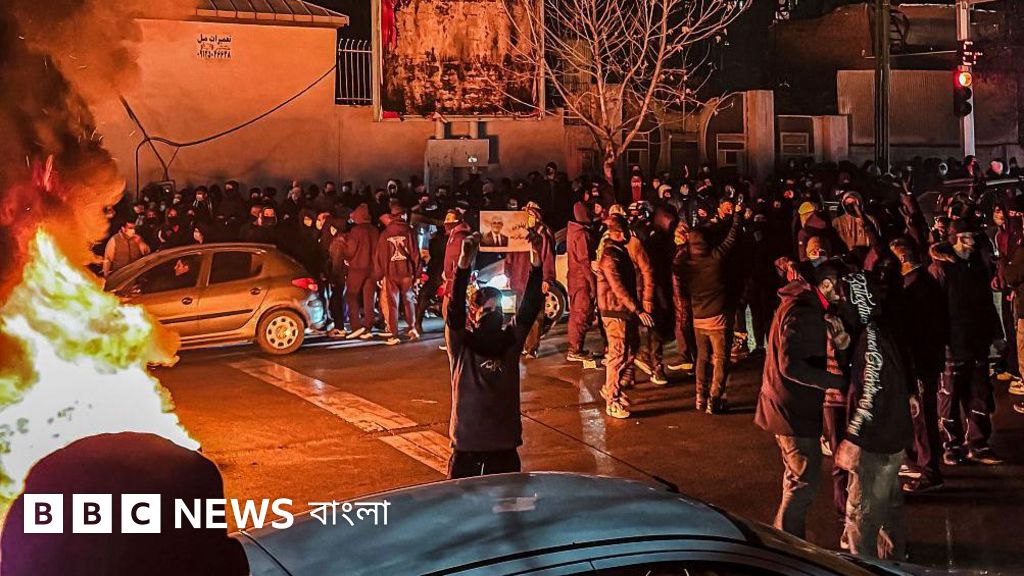
Iran’s anti-government protests have reached a new level, analysts and witnesses say, unprecedented in the Islamic republic’s 47-year history.
After people took to the streets in cities across the country, US President Donald Trump said he was ready to stand with the protesters if the Iranian authorities crack down.
Iranian authorities have responded by threatening to attack US interests and allies in the region.
So how different are these protests and the Iranian government’s response to them than previous ones?

image source, AFP via Getty Images
Widespread throughout Iran
Analysts believe the scale and intensity of this year’s protests are ‘unprecedented or unprecedented’ compared to previous ones.
Sociology researcher Eli Khorsandfar said that while the rallies were taking place in Iran’s big cities, they were also spreading to smaller towns, “whose names people have not even heard of before”.
Iran has seen many protests before. The so-called Green Movement of 2009 was led by the middle class, who complained of election rigging. Then it was limited to big cities. And the 2017 and 2019 movements were in poor areas.
A similar movement was formed in 2022 after the death of Mahsha Amin in security custody. She was arrested by the country’s morality police for not wearing hijab.
According to various media reports, six days after the incident of death, the movement reached its peak.
In contrast, this year’s protests seem more widespread, growing steadily larger since they began on December 28.

image source, IRANIAN LEADER PRESS OFFICE / HANDOUT
‘Death to Dictatorship’
Just like the protests of 2022, this time’s protests also started with an anger. In the end it turned into a demand to change the entire system.
“The movement of 2022 started with an issue of women. But it also reflected other anger. The issue of the movement that started in December 2025 seemed to be economic but in a short time it turned into a common demand for all,” said Khorsandfar.
Market traders went on strike in central Tehran in late December over the exchange rate of the Iranian currency, the rial, against the dollar.
The protests quickly spread to the country’s relatively poor western region. Even in 2022, Eelam and Lorestan were one of the centers of the movement.
Then thousands to millions of Iranians began to join the protests, especially the middle class who were living between rising commodity prices and a dire economic crisis.
People were chanting ‘Let the dictatorship die’.
They even demanded the removal of Iran’s Supreme Leader Ayatollah Khamenei and the government led by him.
Exiled Iranian Reza Pahlavi appears to be influencing the protesters but analysts say that doesn’t mean the protesters want to bring him to power.

image source, AFP via Getty Images
The Pahlavi Factor
Prior to this, the 2022 movement had seen no leadership, so it quickly subsided.
But this time the protests are seeing some familiar figures trying to lead the movement from afar.
One of them is exiled Iranian leader Reza Pahlavi. His father was overthrown in the 1979 Islamic Revolution. This is also believed to be one of the reasons why the protests have lasted so long this year.
Pahlavi proclaimed himself Shah of Iran while in exile in the United States.
His call to participate in the protest spread widely. Within the country, young people are encouraging each other to join the movement on social media.
The scale of protests in major cities like Tehran suggests that Pahlavi’s call is working.
Analysts say the presence of known opposition figures sends a message to protesters that there is an alternative after the government falls.
Many believe that the shadow of support for the Pahlavi is not a desire to restore the monarchy, but rather an expression of frustration with nothing to offer as an alternative to Islamic rule. Especially because of the lack of clear and anti-secular leadership within the country.

image source, Getty Images
Trump’s threat of intervention
Another factor in this protest is the United States. The support of the White House is very public. Trump has backed the protesters and threatened to attack them, something that has never happened before.
“Obama, Obama, be with them or be with us” was the slogan during the 2009 presidential election protests.
Mr. for not supporting the protestors of that movement. Obama later expressed regret.
Iranian President Massoud Pezeshkian said the protests were led by Iran’s enemies. But the issue is that Iran has fewer friends now than ever before.
Bashar al-Assad of Syria, a close ally of Iran, has been overthrown. Lebanon’s Hezbollah has been weakened by Israel’s military operations.
Despite the overall support within the country, now the demand for the removal of Ayatollah Ali Khamenei is being raised in this protest.
Continuity of war
This movement has been formed after the 12-day war with Israel and the US-Israeli attack.
Journalist Abbas Abdi opined, “This situation provided an opportunity for the government to create some solidarity among the people, but they failed to capitalize on it.”
Some analysts believe that last year’s military offensive has greatly damaged the prestige of the Islamic Revolutionary Guard Corps in the eyes of the Iranian people.
“The change we see in the current movement is that women on the streets say their biggest achievement is overcoming the fear of a repressive government,” says Khorsandfar.
https://www.bbc.com/bengali/articles/cy7m55pg3jno?at_medium=RSS&at_campaign=rss

